
Understanding Back & Spine Conditions
Lower back pain affects an estimated 80% of adults at some point, and it is one of the most common reasons active people across the Sunshine Coast seek specialist assessment - from acute disc injuries in cyclists and runners to chronic pain that has been limiting daily life for months. While most acute episodes resolve within weeks, some back conditions require specialist assessment to identify the specific cause and guide appropriate treatment.
My approach to back pain centres on accurate diagnosis, education, and active management. Exercise and movement are the cornerstone of back pain treatment - and I work with you and your physiotherapist to get you moving safely and confidently.
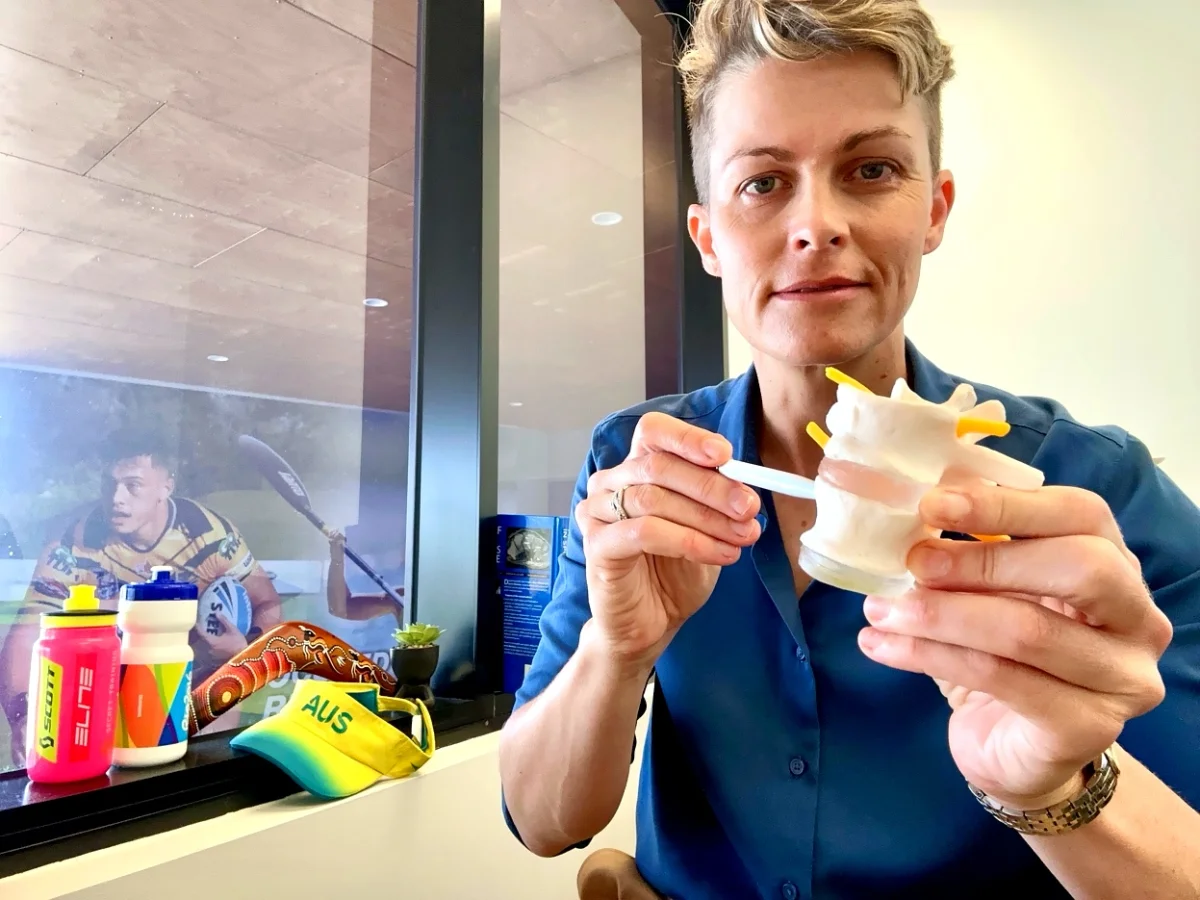
Common Conditions
- Acute lower back pain - Sudden onset pain, often from lifting, twisting, or sport. Most episodes respond to early active management and graduated return to activity.
- Disc injuries & sciatica - Disc bulges or herniations that may compress nerves, causing radiating leg pain, numbness, or weakness. Most respond to conservative management.
- Facet joint pain - Pain from the small joints at the back of the spine, often aggravated by extension and rotation.
- Spondylolysis & spondylolisthesis - Stress fractures (pars defects) of the vertebrae, particularly common in adolescent athletes in sports involving extension and rotation (cricket, gymnastics, tennis).
- Sacroiliac (SI) joint dysfunction - Pain from the joints connecting the spine to the pelvis.
- Neck pain & cervical conditions - Including disc pathology, facet joint pain, nerve root compression, and whiplash-associated disorders.
- Chronic lower back pain - Persistent pain lasting more than 3 months, often multifactorial. Requires a thorough assessment of physical, lifestyle, and psychosocial contributing factors.
Red Flags - Seek Urgent Medical Attention
Seek emergency care if back pain is accompanied by: loss of bladder or bowel control, progressive weakness in the legs, numbness in the saddle area, severe pain following significant trauma, or fever with back pain.
My Approach
I focus on identifying the specific pain source where possible, providing clear education about what's happening and what it means, and developing an active management plan. I coordinate closely with physiotherapists to ensure rehabilitation aligns with the diagnosis. Injection therapies may be considered for specific indications. Surgery is often not needed and I will guide you through that decision-making process if it becomes relevant.